Curious Past Home

Category

Accidental Discoveries

25 articles

Before the Selfie Stick, There Was a Hungarian and a Mirror: The Accidental Road to Self-Portrait Culture

Before the Selfie Stick, There Was a Hungarian and a Mirror: The Accidental Road to Self-Portrait Culture

The selfie feels like a product of the smartphone era, but the obsession with capturing your own face goes back centuries — and the technology that made it possible arrived almost entirely by accident. From a Hungarian inventor's fixation on reflective glass to an engineer's unauthorized side project in a Silicon Valley lab, the front-facing camera was never supposed to be the thing that defined how Americans document their lives.
The Aisle That Didn't Exist: How Food Companies Convinced America That Snacking Was a Meal

The Aisle That Didn't Exist: How Food Companies Convinced America That Snacking Was a Meal

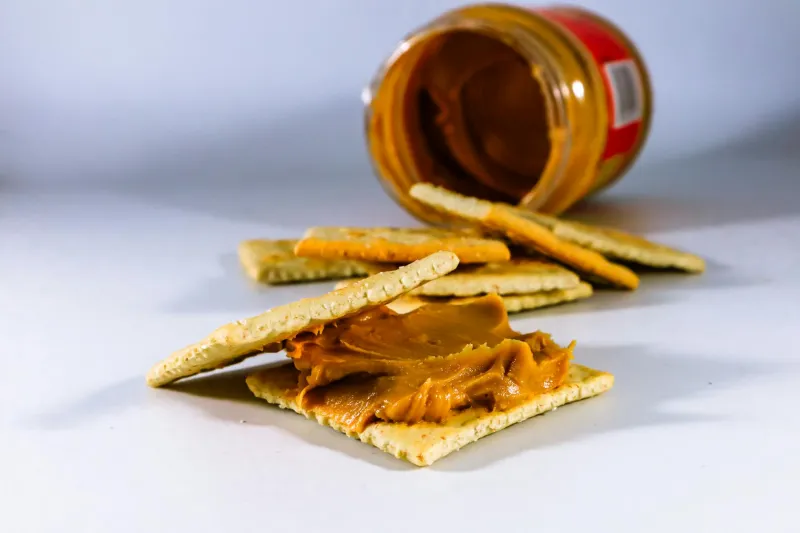
Walk into any American supermarket and you'll find an entire aisle — sometimes two — dedicated entirely to snacks. Chips, crackers, pretzels, cookies, and a hundred varieties of things that exist somewhere between a meal and a craving. That aisle feels like it's always been there. It hasn't. Someone built it, deliberately, in the 1950s — and the story of how is a masterclass in manufacturing desire.

Your Bathroom Looks Like That Because of Blood

Your Bathroom Looks Like That Because of Blood

The gleaming white tiles covering your bathroom walls weren't chosen for style. They were borrowed wholesale from early 20th-century hospital design, where architects needed surfaces that could be scrubbed clean of things nobody wanted to think about. What started as a clinical solution to a grim problem somehow became the defining aesthetic of domestic cleanliness.

Your Phone Is a Slot Machine and You Already Lost: How Silicon Valley Borrowed the Casino Playbook

Your Phone Is a Slot Machine and You Already Lost: How Silicon Valley Borrowed the Casino Playbook

The average American checks their phone 96 times a day — roughly once every ten minutes. That number didn't happen by accident. It happened because a small group of app designers in the early 2010s discovered a psychological trick that Las Vegas had been using for decades, and they built it directly into the devices in your pocket. The story of how that happened is stranger, and more deliberate, than most people realize.

The Quack Doctor's Gadget That Accidentally Invented American Self-Help

The Quack Doctor's Gadget That Accidentally Invented American Self-Help

A Victorian-era inventor couldn't sell his therapeutic vibrating device to a single reputable physician — so he sold it to everyone else instead. What happened next quietly built the foundation of America's modern obsession with self-improvement. The road from rejected patent to Tony Robbins is stranger than you'd ever expect.

From the Graveside to the Grocery Store: How Flowers Escaped the Funeral Industry

From the Graveside to the Grocery Store: How Flowers Escaped the Funeral Industry

For most of the 19th century, cut flower arrangements in American homes were almost exclusively a symbol of mourning. The fact that flowers now appear at birthdays, dinner tables, and gas station checkouts is the result of a deliberate — and surprisingly calculated — campaign by an industry that needed to survive beyond the grave.

The Patent Medicine That Bubbled Its Way Into American Culture

The Patent Medicine That Bubbled Its Way Into American Culture

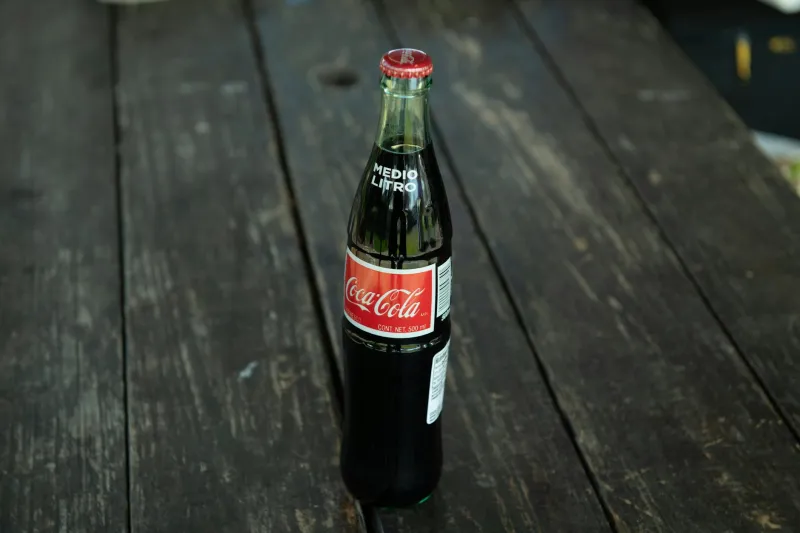
A Civil War veteran's attempt to cure morphine addiction with a brown syrup accidentally created the world's most recognizable brand. What started as Dr. Pemberton's Brain Tonic became Coca-Cola through a series of happy accidents and desperate business decisions.

The Military Dye Too Expensive for War That Built America's Casual Friday

The Military Dye Too Expensive for War That Built America's Casual Friday

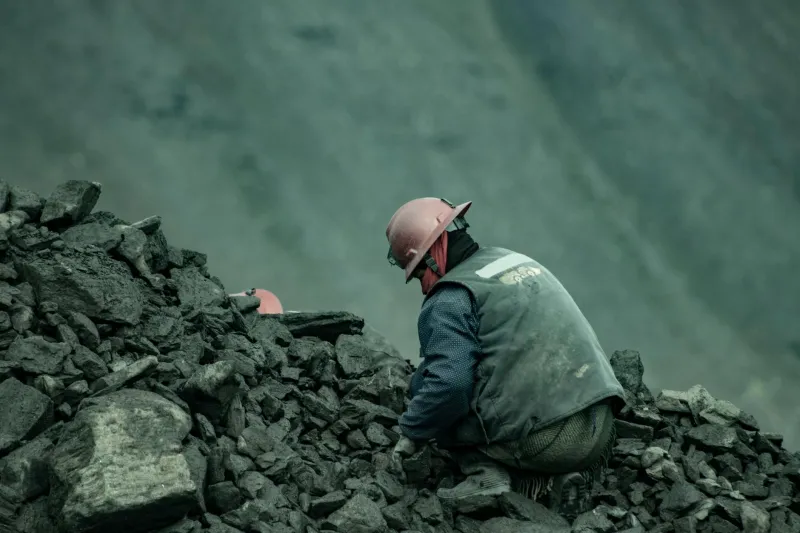
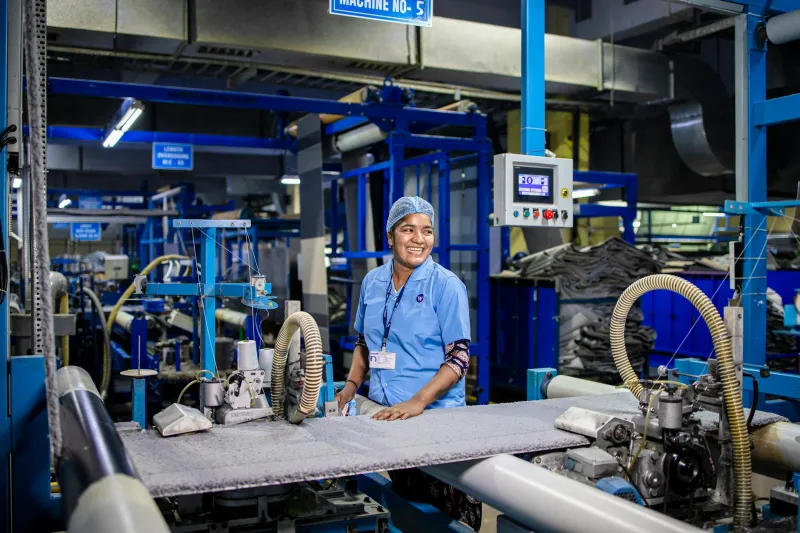
A synthetic blue dye rejected by the Pentagon for being too costly found its way into civilian clothing factories, transforming humble work pants into the most recognizable garment in American culture. This wartime surplus story reveals how military chemistry accidentally created the uniform of modern America.

The Kitchen Disaster That Launched a Billion-Dollar Sneaker Empire

The Kitchen Disaster That Launched a Billion-Dollar Sneaker Empire

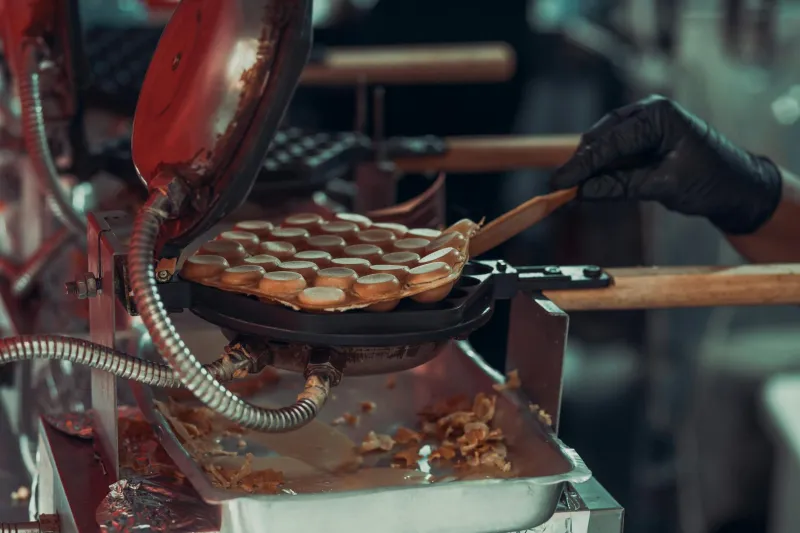
Bill Bowerman's wife wasn't thrilled when he destroyed her waffle iron with molten rubber in 1971. Little did she know her husband's Sunday morning experiment would create the sole that transformed Nike from a tiny Oregon startup into America's athletic footwear giant.

How Gas Rationing Created America's Drive-Thru Culture

How Gas Rationing Created America's Drive-Thru Culture

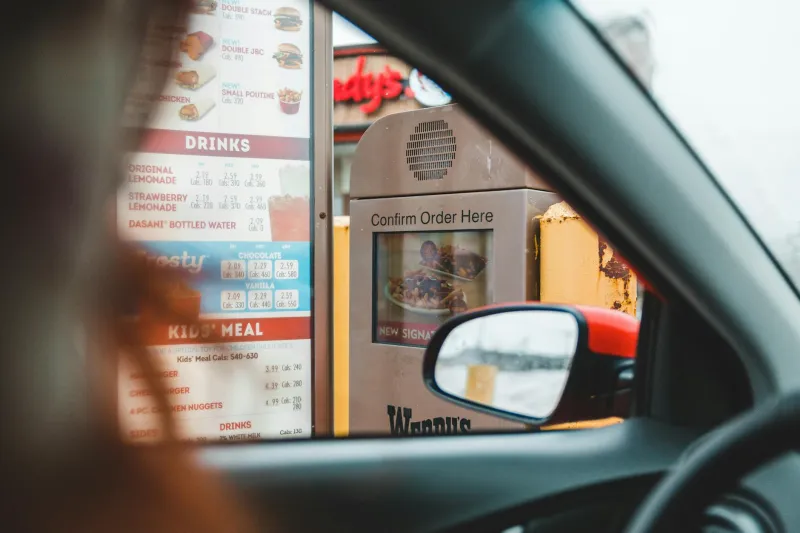
When World War II forced Americans to ration gas and rubber, nobody expected it would revolutionize how we eat. A California burger stand's creative solution to wartime shortages accidentally launched the drive-thru revolution that now defines American fast food.

The Botched Recipe That Built America's Breakfast Aisle

The Botched Recipe That Built America's Breakfast Aisle

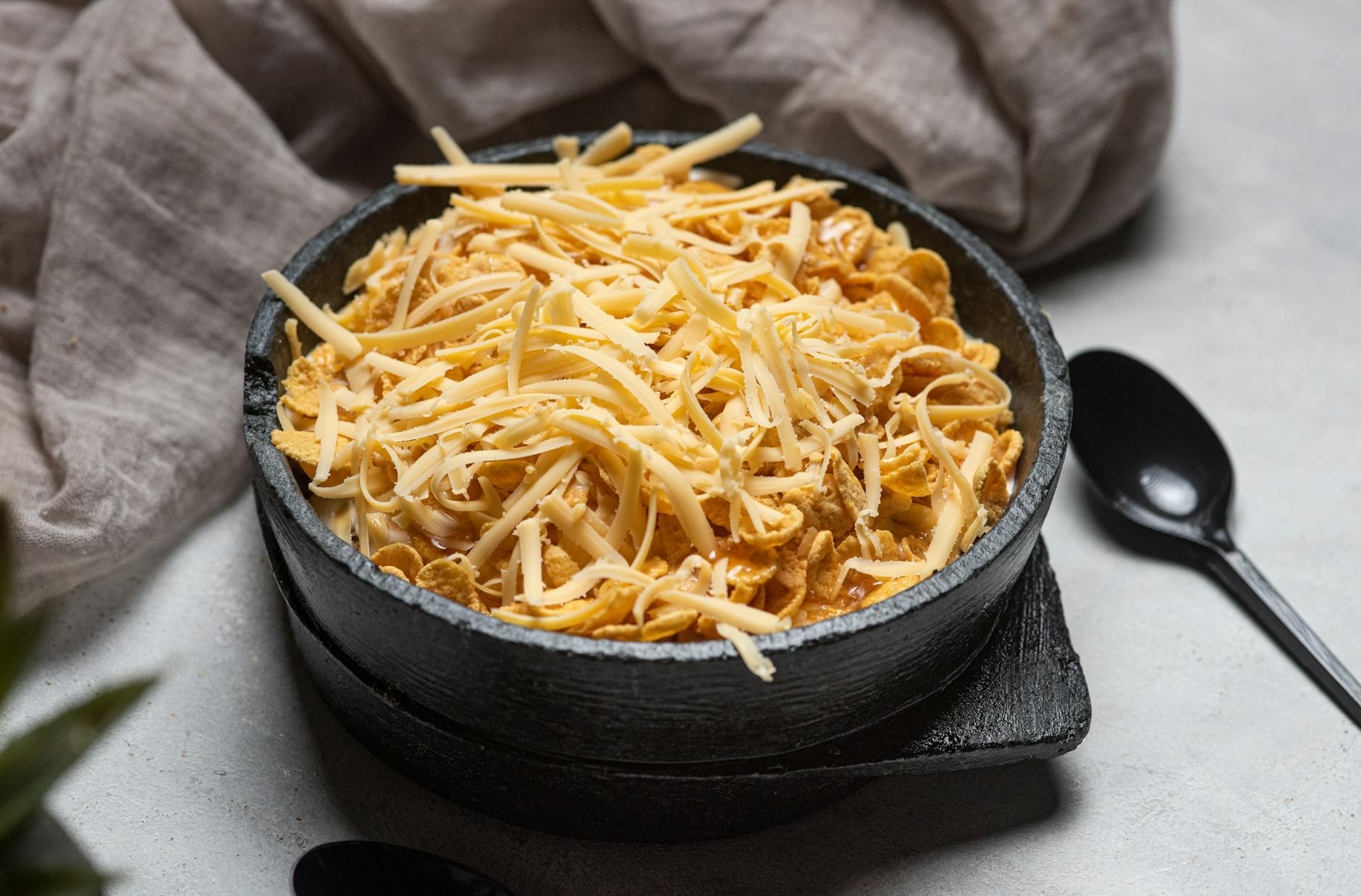
Every morning, millions of Americans pour a bowl of cereal without giving it a second thought. But corn flakes — the granddaddy of the entire breakfast cereal industry — exist because two brothers in a Michigan sanitarium left a batch of wheat sitting out too long. What happened next reshaped the American morning forever.

They Were Trying to Make Wallpaper. They Made Something Much Better.

They Were Trying to Make Wallpaper. They Made Something Much Better.

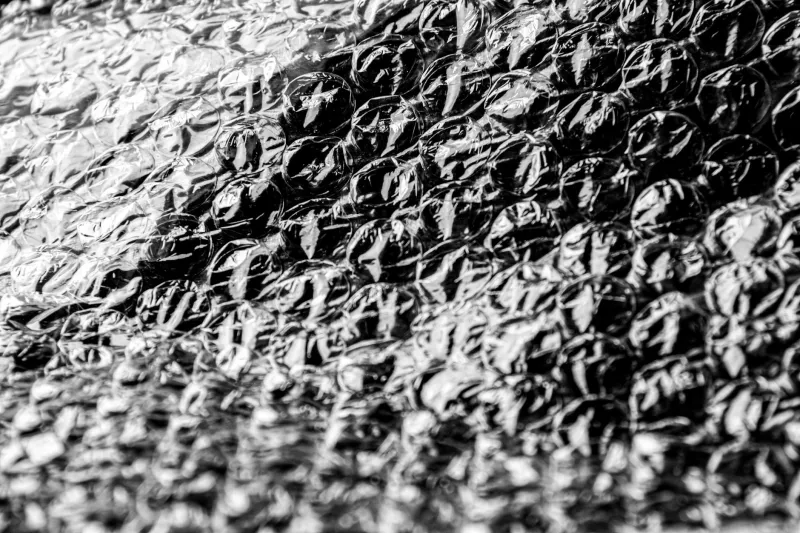
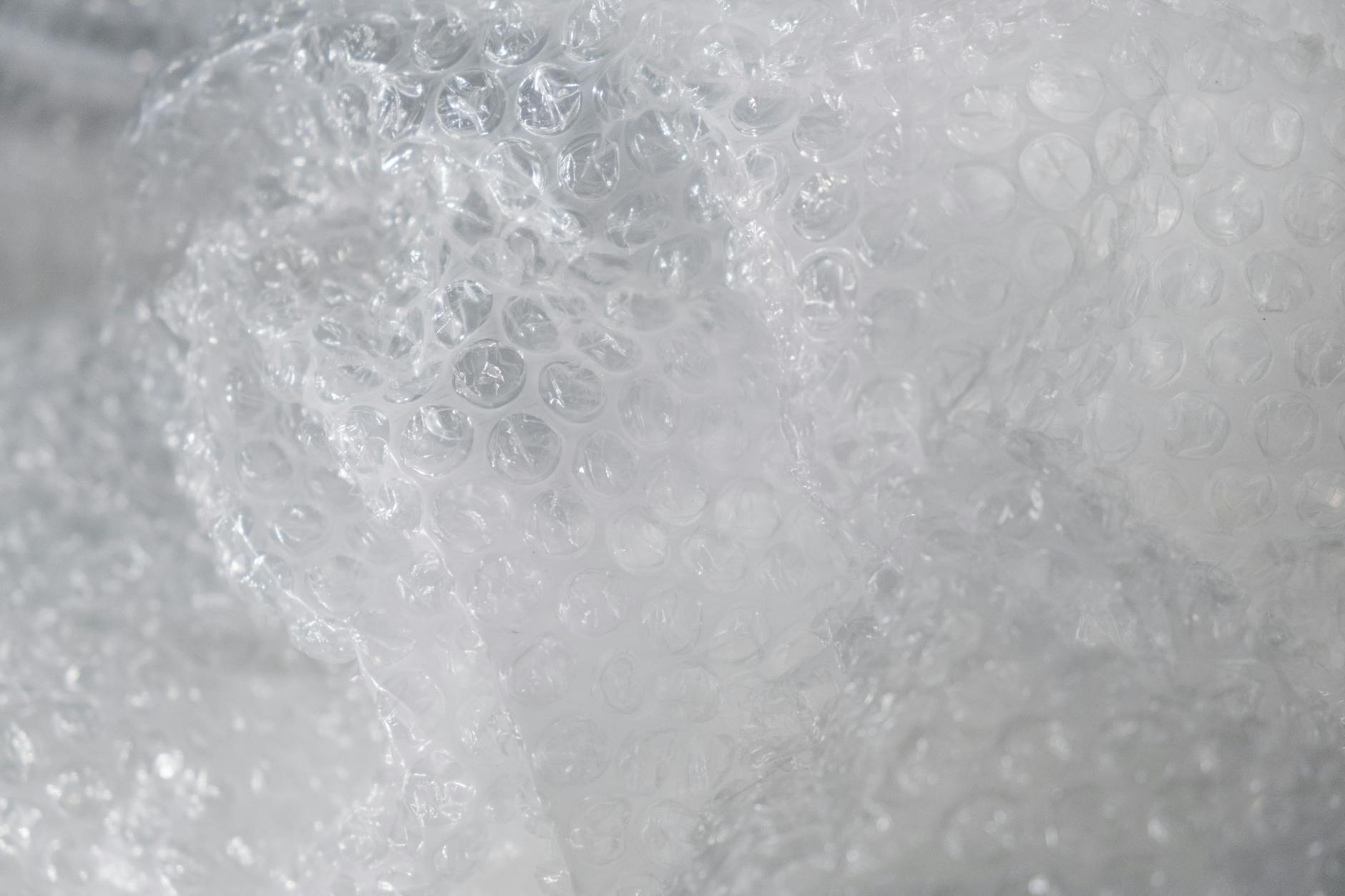
In 1957, two engineers sealed two shower curtains together and accidentally changed the way the world ships packages. What started as a failed home décor experiment became one of the most recognizable materials on the planet — and scientists have actually studied why popping it feels so good.

One Chef's Temper Tantrum Accidentally Invented America's Most Beloved Snack

One Chef's Temper Tantrum Accidentally Invented America's Most Beloved Snack

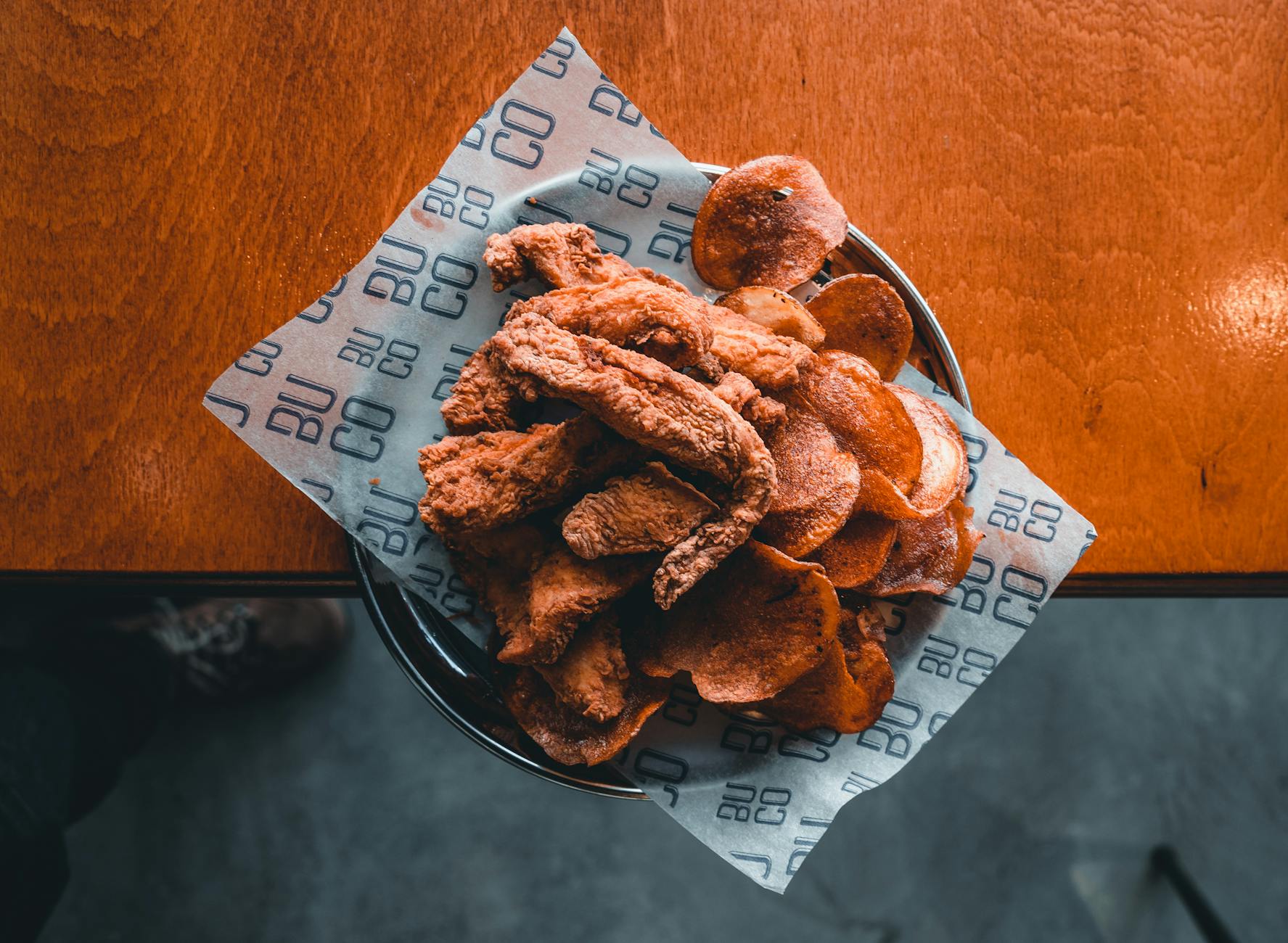
In the summer of 1853, a frustrated cook in upstate New York decided to teach a difficult customer a lesson — and accidentally changed American snacking forever. What started as a petty act of kitchen rebellion became a multi-billion dollar industry that fills pantry shelves, gas station racks, and Super Bowl party bowls across the country. The potato chip wasn't engineered by food scientists or dreamed up by a marketing team. It was born from spite.